I have been waiting for a day like this. It is the start of summer, but just about everywhere on the planet is too warm. This day is a little cool but I have finished a 2.5-mile walk in the countryside of my daughters’ Colorado home, I’m ready to share some adventures and information.
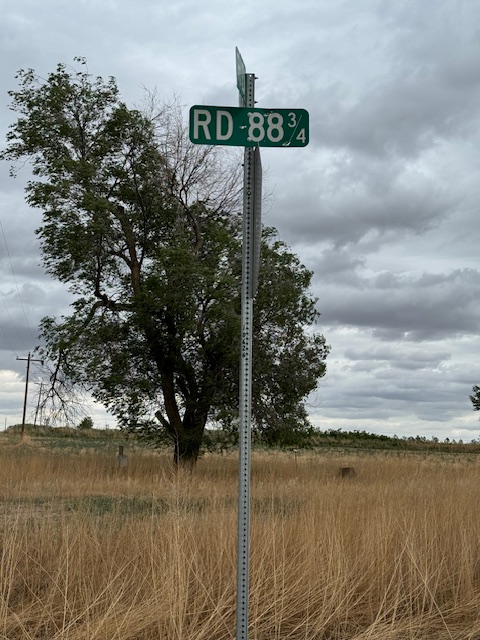
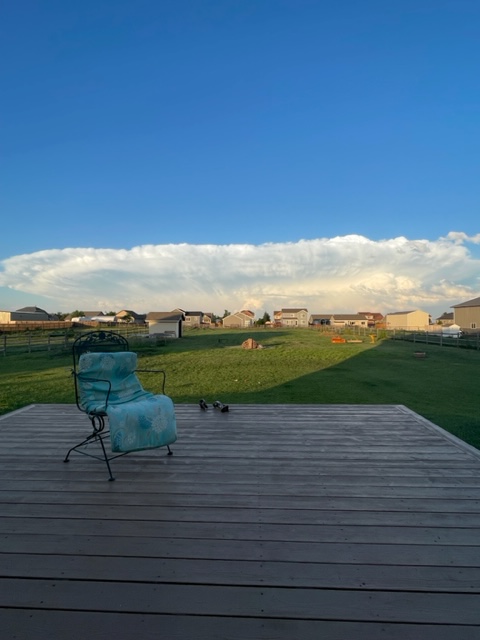
This is on my regular walk in Pierce, CO.
If you know why the country roads are labeled like some mystical place in a “Harry Potter” adventure, let me know. This road sign is on my regular route in Pierce, Colorado.
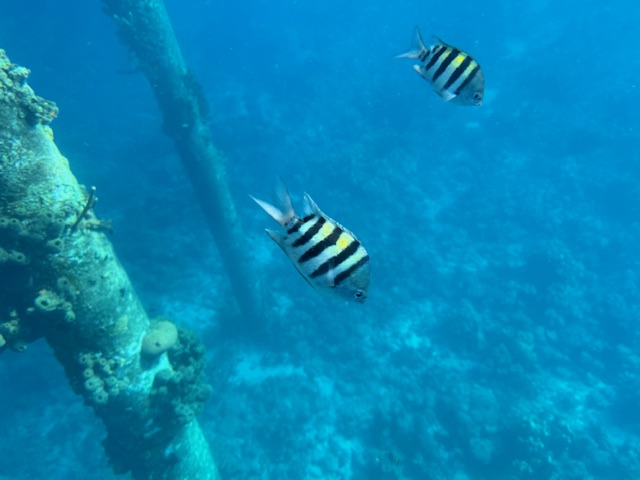
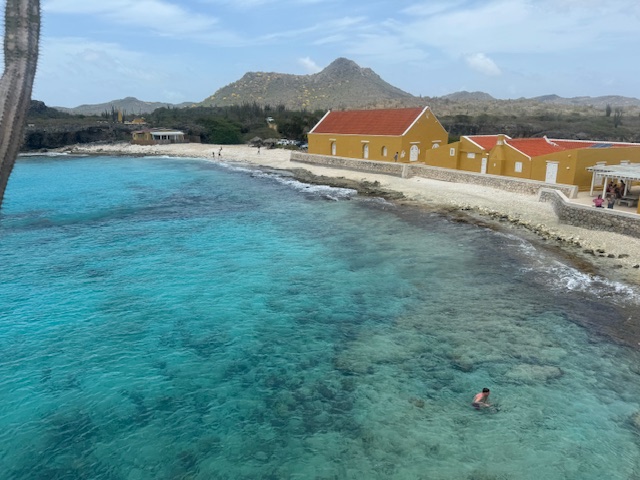
The week before school went out for summer break, I stepped into a hole on the field and tore my gastrocnemius (calf muscle). I called it an occupational hazard for a 76-year-old High School P.E. teacher. The problem was this was not a fast-healing injury. I did my research for healing and set a plan for the quickest I could get it ready for summer. I did the work needed and headed to Bonaire in the Caribbean for a snorkel trip with my son, Trever. My calf wasn’t healed fully but it got me through a fabulous adventure. We snorkeled twice a day every day. Bonaire is a waterman’s paradise.
These photos were taken by Trever with a waterproof case on my iPhone.
The week was a great adventure. We had a great time. I can not help but be grateful for the recent summers I’ve had. Four years ago was Lake Tahoe for granddaughter #1’s High school graduation, and Colorado the next year for granddaughter #2’s High school graduation. Then last year’s London trip to see daughter #2 and her town, this year’s Bonaire trip with #4, my son to cap off a cycle. Each trip was followed by time in Colorado with daughter #3’s hospitality. I have been able to do these things as a benefit to life and a healthy lifestyle.
Granddaughter #1 with Daughter #1
Grandaughter #2 with Daughter #3
Daughter #2 in London last summer.
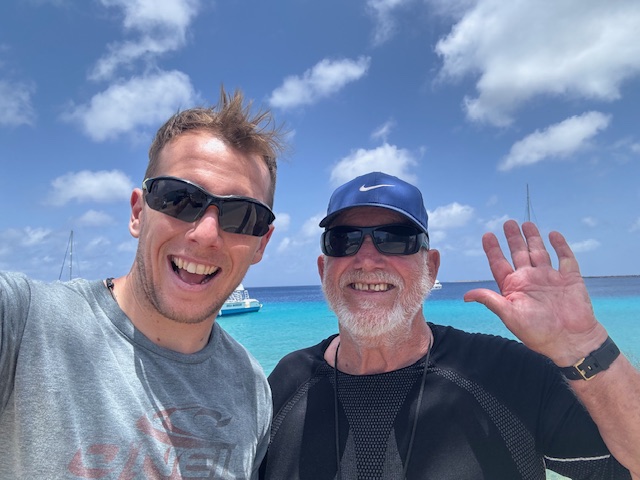
#4 A selfie in Bonaire this summer.
Healthy Ageing: Rebuild and Repair
Now, I have time to repair my worn body parts. I am doing this physical repair with regular workouts which include distance walking and interval walking. Also included are stretching and strength training on alternate days. My diet continues to be Plant-based or Plant-forward (there is a lot of terminology new around this style of eating) with only the occasional supplement of meat. If you would like to know more about truly healthy eating. It seems to have morphed out of The Mediterranean Diet and that is a good place to begin to find healthy food habits. Here is a link to explain The Mediterranean diet: https://lavandamichelle.com/2024/06/30/what-is-the-mediterranean-diet/. This lady has done her research.
As for my spiritual practice, it seems to focus a longevity, that is to say, I must remember that this life is impermanent and finite but the spirit is infinite. Focusing my attention there is the key.
There is a lot of high-country activity in my daily plan to be completed before my return to my Las Vegas friends and another year of teaching. Those friends in my life are a key to longevity. Remember the Blue Zones Power 9: Lifestyle Habits of the World’s Healthiest, Longest-Lived People. Here is a link to review my past blog on this topic of looking into The Blue Zone research: https://healthyat120.com/2022/09/26/exercise-nutrition-and-spirit-opening-door-number-3/.
I asked ChatGPT the question, “What is healthy eating?”
The “AI” Answers: 8 tips for healthy eating
“Healthy eating refers to consuming a variety of foods that provide the nutrients your body needs to maintain overall health, feel good, and have energy. It involves making informed choices about what and how much you eat, with an emphasis on:
Balanced Diet: a healthy diet includes a balance of carbohydrates, proteins, and fats. It also includes plenty of fruits and vegetables, whole grains, and moderate amounts of lean proteins and healthy fats.
Portion Control: Being mindful of portion sizes helps prevent overeating and allows you to enjoy a variety of foods without consuming excess calories.
Nutrient-Rich Foods: Choose foods that are rich in nutrients but lower in calories. This includes fruits, vegetables, whole grains, and lean proteins. There foods provide essential vitamins, minerals, and fiber without contributing to excessive caloric intake.
Limiting Processed Foods: Processed foods, especially those high in sugars, salts and unhealthy fats, should be limited. These often contain calories and additives that are not beneficial for your health.
Moderation in Sugars and Salt: Too much sugar and salt in the diet can lead to various health issues, including diabetes, high blood pressure, and obesity. Try to limit the intake of sugary drinks, sweets, and high-sodium foods.
Hydration: Drinking plenty of water is crucial for overall health. It helps in digestion, regulating body temperature, and transporting nutrients in the body.
Variety: Eating a wide variety of foods ensures that you get different nutrients from different sources. This reduces the risk of deficiencies and promotes overall health.
Mindful Eating: Pay attention to what you eat and savor each bite. Mindful eating helps you recognize when you’re hungry and when you’re full, preventing overeating.”
This sounds great but it does not tell you what to eat. “AI”, while correct, seems very generic with its answer. I’m not sharing a plan either because each person needs to go through the process of building an eating plan for themselves at each stage of life. In another blog I read, the author tells us that he eats 80 to 90 percent vegetables. Then he goes on to list his no-nos and his go-to’s. What are you eating and when are you eating it? What are your no-nos and go-tos? We know our nutrition needs change as we age, so our eating habits need to change with us.
October Fun Hiking
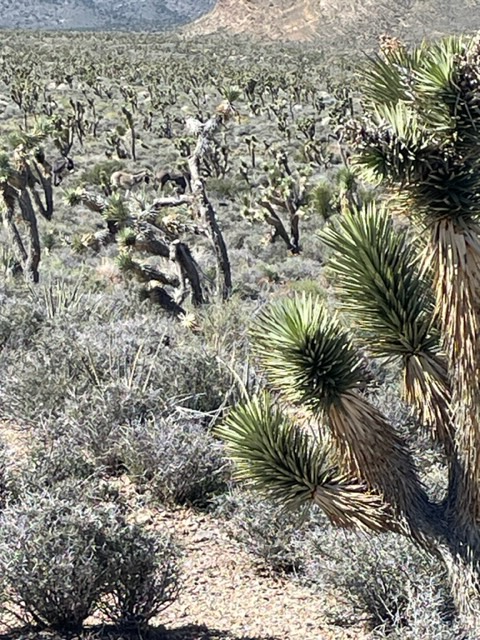
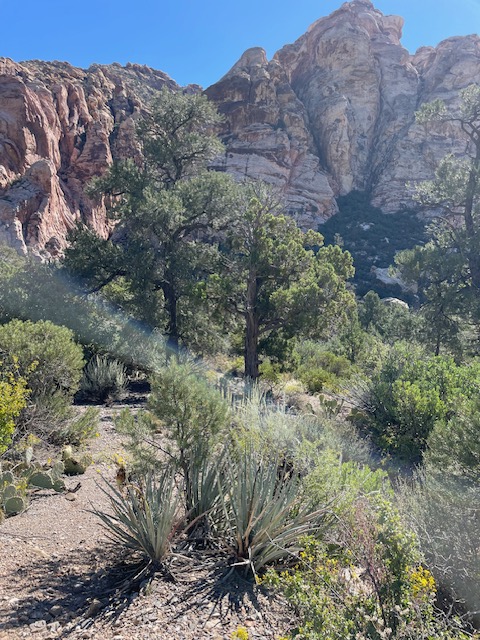
I didn’t get in any golf this month. I hiked 4 trails: Le Madre Springs Trail, Kraft Trail, Kyle Road Path, and White Owl Canyon. I saw the springs of Le Madre, it is beautiful this time of year. I saw the beautiful dry gulch of the Calico Basin area. On the Kyle Road Path, among the desert terrain, I saw wild burros. Traveling to White Owl Canyon with a friend, I saw a Big-horn sheep. This is outdoor time. Golf will be later, my friends are hard at it. Here are some pictures from the hikes:
There are 3 burros in the photo above. Enlarge to find them.
Kraft area
At the Springs
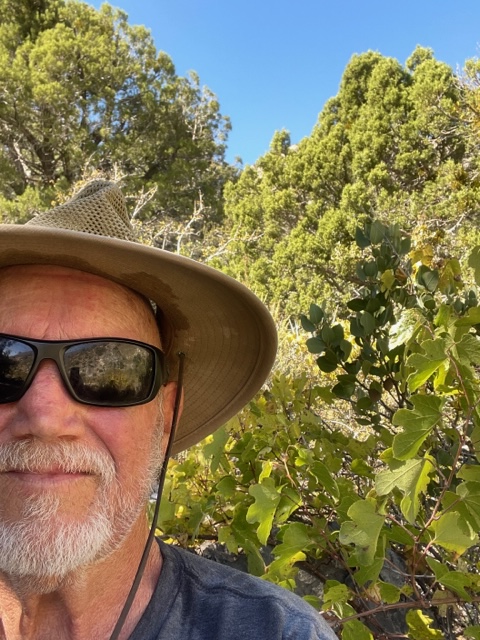
Enjoying White Owl Canyon
From “Aging as a Spiritual Practice”:
As each of us grows older, may we be kind to ourselves;
As each of us grows older, may we accept joy and sorrow;
As each of us grows older, may we be happy and at peace.
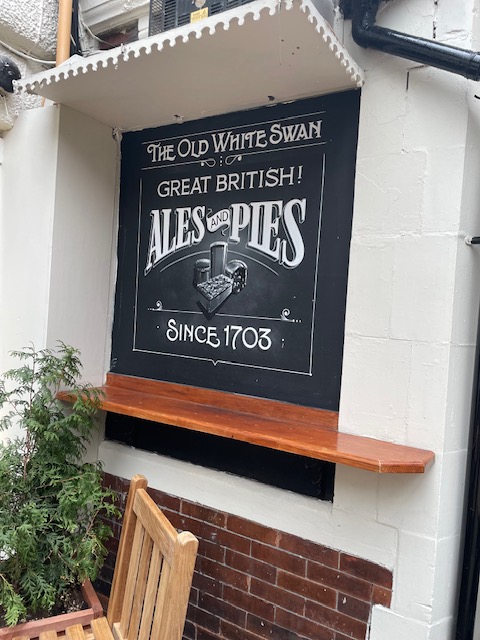
This month’s adventures were amazing and educational. My middle daughter (yes, there are three) has lived worldwide. She settled in London 10 years ago. She travels back here to the States to visit, but this was my first trip to visit her and the U.K. I was joyously greeted by my daughter, who was to host me and act as my tour guide extraordinaire. My arrival in London was a week or so after the Coronation of King Charles III and the decorations were still in place. I saw and did almost everything. Palaces, parks, gardens, plays, and concerts. I have tons of pictures and keepsakes of all the events and places.
We took a side trip to the Yorkshire countryside to see the rural area and maybe find a DNA link or 2. We found no link but had fun on the hunt. We met lots of nice people. This is just a beautiful place.
York from the Wall.
Hiking The North English Moors
How does this fit into my Health and Fitness Blog? Every good vacation is going to have lots of activity. The U.K. is no exception. The people are very much Public Transportation oriented. Many people are using it to go everywhere. This also means they are walking, as we were, to each destinations. I averaged over 22,000 steps a day. This is more than double my recommended 10,000 steps per day. The unique thing is that almost everyone is walking. Old people and young people are all walking, a true nation in motion.
Veggie menu even here.
I wanted to eat planted based on this vacation, I thought it would be challenging. It was not. I had a planned exception for a traditional “fish and chips” meal and to try a “pasty”. To my revelation, every Diner, Hangout, and Food stand has a veggie or vegan option or both. The fish and chips were good and pasties come in veggie form everywhere. As we walked to catch a bus (double-decker, of course) in a Jamaican market area, I ask my daughter if we could get a Pasty. She said that those are good and pointed out a shop. A young lady came from the back and I ask if they have vegan or veggie pasties. She said, “Sure mon”, and pointed to a display case with several kinds. I ask which is best, and she pointed again. We bought 2 and ate the goodness on the bus to the inner part of London. Many restaurants specialize in vegetarian food. We ate at an Indian restaurant that was superior to anything that I have had before. They served dahl that had been simmered for 24 hours. That is a delicious and mouth-watering lintel dish. Everywhere had these types of choices. Even in the county, good restaurants had vegan and veggie options. Virgin Atlantic, the airline, had me set up ahead of time with vegan meals also.
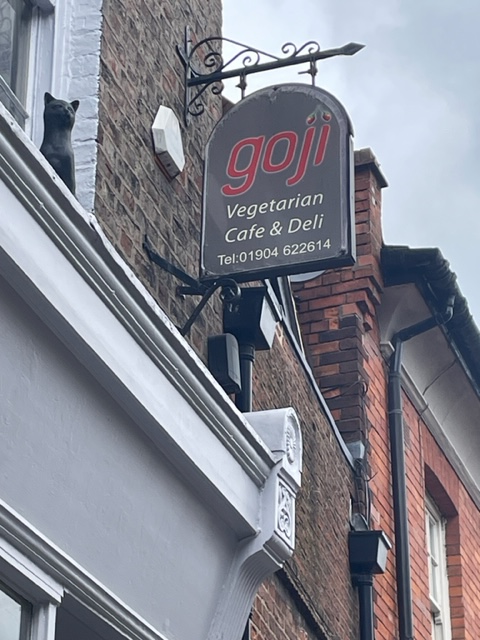
Example of Veggie Restaurant
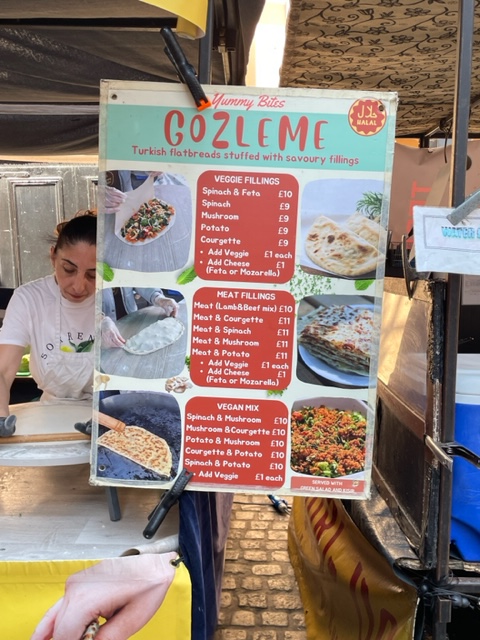
Example of choices at a food stand
Community Requires Cooperation
The English seem to be better at cooperation than we Americans. There are over 14 million people in London and they move and interact with very little conflict. The urban vs. rural issues do exist there, but they seem more committed to the common good than we do. There were transportation strikes while I was in London, and people had “workaround” plans. There were protests about world conditions, and the people were polite in allowing others to exercise free speech. We still have lessons to learn.
My daughter was a kind and generous host. I was able the stay healthy and have the best of vacations. I did return to the desert for a few days. Now I’m headed off to Colorada with my youngest daughter for the balance of my summer break.
I thought about not posting a blog this month. The month of May has been crazy busy. The year-end for a high school teacher is chaos; grades and systems and deadlines, students feeling pressured and emotionally challenged. A good friend has been in the hospital twice. Added to the brain-strain, I am preparing for my first ever trip to London. My middle daughter lives there and hopefully will act as my travel guide (no pressure) on this summer adventure. After that, I am off to my regular summer spot with my youngest daughter in Colorado.
What is here is a clip of one of my “Spring into May” hikes and two healthy video clips. The first is a short clip from the Mayo Clinic with Tips for dining out and the second is a long video from Zonia.com with tons of Immunity information for you.
1. Hike: Lee Canyon, Las Vegas May 13, 2023
turn on the sound to hear me breathe at 9000 feet.
2. Mayo Clinic: 7 tips Dining out video click the link and go then come back.
8 things Sleep Experts on the Mornings After a Poor Night Sleep.
Blue Zone Lifestyle habit #7.
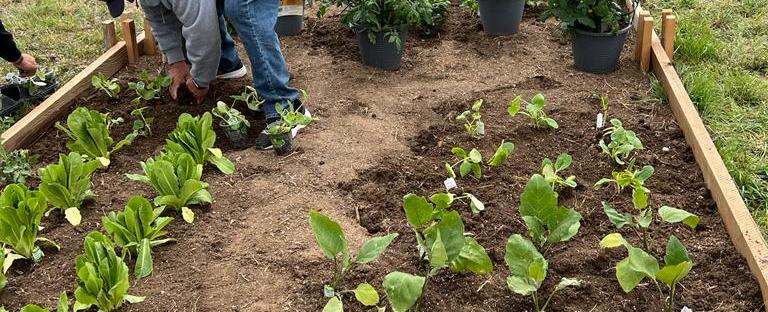
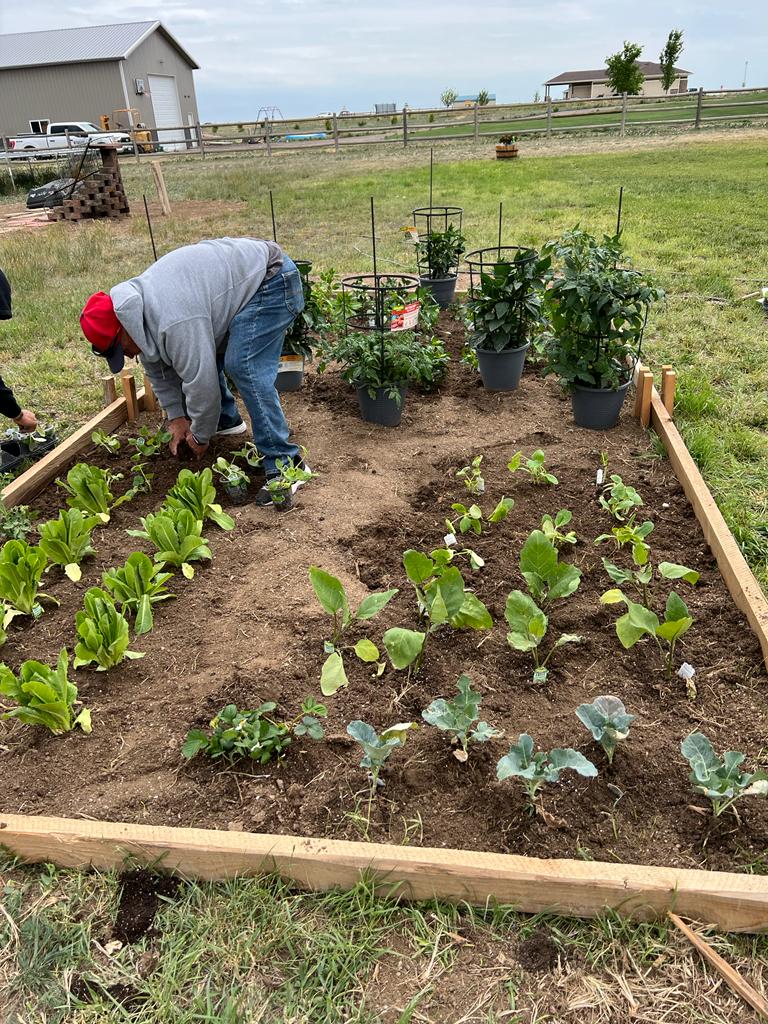
Instant Garden
My stay at my daughters’ home in Colorado is a restorative 2 months for me. Her job does not give her time to garden and the northern Colorado growing season is short. Then enter the old coach (dad) from Las Vegas. I love to eat freshly picked stuff from the garden. It tastes better to me. A morning walk to the garden, pick a little kale, chard, and cherry tomatoes or radishes, and pop them in my mouth before any judgment of the day begins. They feel and taste healthy and energizing. We needed a garden. Joe, my daughter’s boyfriend, tilled a small area and added a layer of good dirt to improve the clay soil. We went to Bonnie Plants and got some bargains. It created an instant garden. Now I’m weeding, watering, and eating fresh produce. Thanks, Bonnie.
Instant Garden
I just finished reading “Plant over Processed” by Andrea Hannemann. She makes everything sound delicious. It’s a free book on my Amazon e-reader. Check it out.
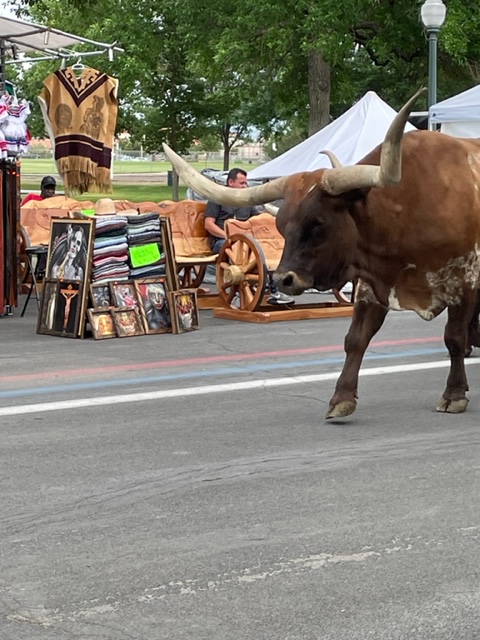
July had lots of activities as a Summer Vacation should. On one of our nights, we went to the 100th Greeley Stampede. It was Championship Rodeo night and was great fun. The excitement, pageantry, and food smells were in the air. Unhealthy eating and drinking are part of the festivities. There is no healthy choice. I went for a smoked turkey leg and large water instead of the sugar-loaded funnel cake and a large soda.
Rodeo
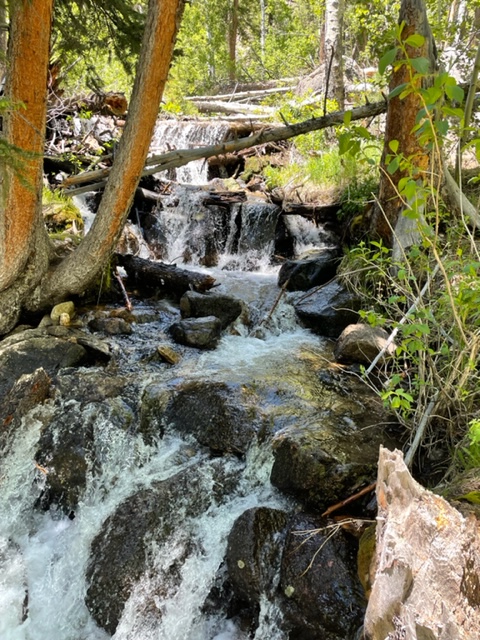
Other activities had me golfing, camping, kayaking, and hiking. 10-mile hikes at 10,000 feet required me to draw on some physical reserves, but the scenery was spectacular. The camping was world-class. I was at Rocky Mountain Nation Park and Roosevelt and Arapahoe National Park. The Senior Nation Park Pass is a great benefit.
Rocky Mountain National Park
Poudre River
It is time to end my vacation and return to Las Vegas and teaching. I am so grateful to have had this time this year. Thank you to my daughter, granddaughter, and Joe. All my new Colorado friends, thank you for welcoming me.
Now some health business. I make some poor food choices after a bad night’s sleep. I did some research on this and found out that those poor choices are biological responses. They are designed in our DNA to preserve life. Here are 8 things Sleep Experts do in the morning after a poor night’s sleep. The information is quoted from Livestrong.com.
1. ‘Water First, Then Coffee’
Rather than reaching for the pot of coffee, fill up your water bottle first. Harris sips a glass of cold lemon water first thing in the morning. “The water helps to wake my system up, especially the cold temperature and lemon,” she says. “It’s refreshing.”
But don’t worry, coffee is still on the menu. If you’re a java drinker, sip your coffee after rehydrating with the water. “Coffee helps to give me more of a mental edge, and I find that it helps when I haven’t gotten enough sleep one night,” Harris explains.
However, she warns, don’t use it as a sleep substitute. In other words, you shouldn’t stay up and think that you can just down a lot of coffee the next day to stay alert.
2. ‘Get Your Butt Out of Bed’
For Rebecca Robbins, PhD, a sleep scientist at Brigham and Women’s Hospital and instructor of medicine at Harvard Medical School, sleep is a consequence of what we do over the course of the day. The first step for good sleep at night: Get up on time in the morning.
“It’s tempting that when your alarm goes off, you want to hit the snooze. That’s wrong. The sleep you get after an alarm is poor quality,” she tells LIVESTRONG.com.
What’s more, you want to shuffle out of bed at the normal time. As Robbins explains, there’s a process called the homeostatic drive for sleep. “That means that over the course of the day, sleepiness builds like a clock. Each additional hour awake adds to that overall sense of sleepiness. Start that clock ticking,” she says.
3. ‘Prioritize’
After a bad night of sleep, it’s easy to catastrophize and think you’ll be a wreck all day and won’t be able to get anything done. And while you might not be on top of your game per usual, “data shows that one bad night isn’t the end of the world,” Seema Khosla, MD, a spokesperson for the American Academy of Sleep Medicine (AASM) and director of the North Dakota Center for Sleep in Fargo, tells LIVESTRONG.com.
Still, acknowledge that you might not be able to attend to everything on your list. “I know I don’t function as well when I’m tired, so then I prioritize what needs to be done. If it is something really important, I’ll leave that for another day when I’m sharper,” Dr. Khosla says.
4. ‘Seek Out Lots of Light’
One of the things you want to do to stop sleepiness after a poor night of zzzs? Get blue light exposure. Natural sunlight contains blue light.
“Getting this light into your eyeballs is one of the best ways to kickstart the awake phase of your circadian rhythm,” Robbins says.
If you work outside your house, you can get this by simply walking outside to your car or public transportation. If you WFH, go take your dog (or yourself) out for a morning walk. (Consider that your commute time.)
If you can’t get outside, then Robbins recommends cracking open a window at the very least to let in fresh air and sunlight.
5. ‘Schedule Some Light Exercise’
If you’re truly tired, then now might not be the time for a HIIT workout or one where you’re lifting heavy weights, as these may not be safe if you’re not alert. But it still pays to move your body.
“I make sure to exercise, but lightly. I’ll do a walk on the treadmill or easy yoga, but I do something to move, even if it wasn’t my planned hard run or weight-lifting session,” Harris says.
Besides, exercise has been shown to be good for sleep: Physical activity can improve sleep quality in people with insomnia, concluded a July 2018 meta-analysis in PeerJ.
6. ‘Find Time for a Cat Nap’
Good night or bad, you probably notice that your energy levels, alertness and focus dip after lunch. That’s not the time to reach for more coffee, which can make it harder to fall asleep later.
“The best strategy is to repay some of your sleep debt, and that’s with a five- to 20-minute nap,” Robbins says.
Set your alarm clock and lay in a comfortable place. If you can’t sleep or won’t fall asleep right away, that’s totally fine. “Any sleep you can get will be better than none,” she says.
Even closing your eyes and resting can help you feel more awake and ready to jump into the afternoon than if you simply tried to push through it. Plus, with this short power nap, you won’t wake up groggy.
7. ‘Make Healthy Food Choices’
When you’re tired, you’re pulled more toward unhealthy food choices — such as higher-sugar foods — which your body naturally gravitates to for a little pick-me-up.
“Keep an eye on your appetite,” Robbins says. “Research shows that it’s more difficult to figure out when you’re full [when you’re tired]. Overeating will impact your sleep because your body will have to work on digesting that food overnight,” she explains.
Be aware of sleep’s impact on your appetite and food choices throughout the day, but especially at dinner. Planning a healthy, light dinner — we’re talking half your plate of veggies, some lean protein, complex carbs and a bit of healthy fat — will encourage restful sleep.
And give yourself time to digest before going to bed. Eating within an hour of bedtime has been found to decrease sleep quality, notes a September 2016 review in Advances in Nutrition.
8. ‘Plan Out the Next Night’
Think about what went wrong last night, such as being on your phone before sleep or trying to fit in work before bed or waking up early to fit more in (all things Dr. Khosla says she’s done, so you’re not alone).
If possible, the next night, start your wind-down routine earlier, she advises. “No one is a perfect sleeper. Sometimes I just need to treat myself like I would treat any of my patients and extend myself a little grace. All of this allows me to reset,” Dr. Khosla says.
Her tried-and-true tips? Limit caffeine after lunch, avoid sunlight late in the day and put your phone away earlier so you can tuck in and get the rest you need.
Blue Zone Lesson # 7
The Blue Zones
9 Lessons For Living Longer
From the people who’ve lived the longest
by Dan Buettner
This is not meant to be a book review, but a chance to impart some great information that we all need to know.
“Life expectancy of an American born today averages 78.2 years. But this year, over 70,000 Americans have reached their 100 birthday.”
Dan Buettner teamed up with National Geographic to find the world’s longest-lived people and study them. They found pockets of people around the world with the highest life expectancy, or with the highest proportions of people to reach age 100.
The 5 places are:
Barbagia region of Sardinia-mountainous highlands
Ikaria, Greece-Aegean Island
Nicoya Peninsula, Costa Rica
Seventh Day Adventist-around Loma Linda, California
Okinawa, Japan-Island area.
They put together medical researchers, anthropologists, Demographers, and epidemiologists to search for evidence-based common denominators. They found nine lifestyle and diet habits .
Here is the first Lifestyle habit:
1. Move Naturally.
“The world’s longest-lived people don’t pump iron, run marathons or join gyms. Instead, they live in environments that constantly nudge them into moving without thinking about it. They grow gardens and don’t have mechanical conveniences for house and yard work.”
How do I incorporate this into my life?
“Inconvenience Yourself”
“Have fun, Keep moving’
“Walk”
2. Purpose.
“The Okinawans call it ‘Ikigai’ and the Nicoyans call it ‘plan de vida;’for both it translates to ‘why I wake up in the morning.’ Knowing your sense of purpose is worth up to seven years of extra life expectancy.”
In his book, The author says to take time to see the big picture. For me, I know some days are going to not be pain free. Having a purpose helps me push the pain and strain aside.
#3. Down shift
“Even people in the Blue Zones experience stress. Stress leads to chronic inflammation, associated with every major age-related disease. What the world’s longest-lived people have that we don’t are routines to shed that stress. Okinawans take a few moments each day to remember their ancestors, Adventists pray, Ikarians take a nap and Sardinians do happy hour.”
#4. 80% Rule
“‘Hara hachi bu’ -the Okinawan, 2500-year old Confucian mantra said before meals reminds them to stop eating when their stomachs are 80% full. The 20% gap between not being hungry and feeling full could be the difference between losing weight or gaining it. People in the blue zones eat their smallest meal in the late afternoon or early evening and then they don’t eat any more the rest of the day.”
#5. Plant Slant
“Beans, including fava, black, soy and lentils, are the cornerstone of most centenarian diets. Meat–mostly pork–is eaten on average only five times per month. Serving sizes are 3-4 oz., about the size of a deck of cards.”
#6. Wine @ 5
“People in all blue zones (except Adventists) drink alcohol moderately and regularly. Moderate drinkers outlive non-drinkers. The trick is to drink 1-2 glasses per day (preferably Sardinian Cannonau wine), with friends and/or with food. And no, you can’t save up all week and have 14 drinks on Saturday.
#7. Belong
All but five of the 263 centenarians we interviewed belonged to some faith-based community. Denomination doesn’t seem to matter. Research shows that attending faith-based services four times per month will add 4-14 years of life expectancy.
That’s #7; there are 2 lessons to go and some discussion of each.








 HEALTHY AT 120